When in doubt, go to the library
Need some holiday reading? Gift ideas? Just want an excuse to buy some vaguely work-related novels and knock off early?
I've got you covered.
I've managed to read a few stellar books this year, many of which focus around the environment or natural history in one way or another, and all of which I highly recommend (to the right audience of course). So read on for my bookish recommendations in no particular order!

1. The Tapir's Morning Bath: Mysteries of the tropical rain forest and the scientists who are trying to solve them, Elizabeth Royte
For conservation scientists, ecologists, researchers (particularly students), and anyone wanting an inside look into their world
Okay, I'm cheating right off the bat because I did not read this book this year (although I've been known to leaf through and reread sections on bad days). However, I think it's worth a mention because this book is one of my absolute favourites and a major inspiration for this blog.
It centres around Barro Colorado Island in the middle of the Panama Canal, where our journalist writer follows around a force of scientists who are each trying to understand their own little part of the isolated rain forest. From monkey dung to philosophical meanderings on the goals of conservation science itself, this book has it all. The (real-life) characters are a joy to meet, and their academic / career struggles and fears will no doubt feel familiar to any student or wannabe academic.
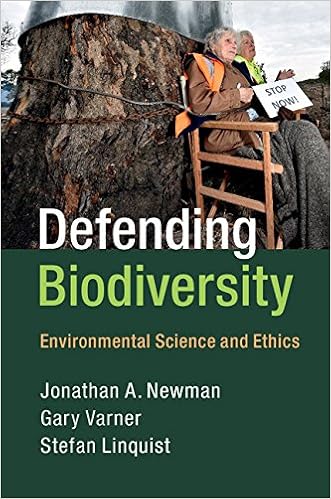
2. Defending Biodiversity: Environmental Science and Ethics, Jonathan A. Newman
For academics, philosophers, debaters, and anyone interested in environmental issues
This was the first book I read in 2018, and while it felt like reading a textbook at times (welcome to academic texts), it was overall very illuminating. The book outlines and assesses major arguments for conserving biodiversity, considering both the instrumental (e.g. ecosystem services) or intrinsic (e.g. natural beauty) value of nature.
I would expect only the most dedicated to read this from top to tail – I myself was mainly motivated by the need to write this book review – but I would genuinely recommend it for anyone interested in rethinking or interrogating their own ethics and arguments around biodiversity conservation, or indeed environmental issues in general. It's sure to add an edge to your future arguments.

3. Hidden Museum: A Cabinet of Curiosities, Shaun Parr
For curiosity seekers and short attention spans
This book here is at the entire other end of the spectrum when it comes to length and density. A borderline coffee table book, with very little text, this one is aptly named. It is simply a small collection of curiosities, focused around natural history. It also comes with a little red 'magnifying glass' so you can explore the pages yourself. I’ll say no more.

4. Hidden Nature: A Voyage of Discovery, Alys Fowler
For those in need of a holiday
I bought this book because of its beautiful cover and because I needed a break. This book provided exactly that. A perfect, breezy holiday read. You basically get to spend the entire book exploring Birmingham's canal network via kayak and watching the writer's garden grow (alongside an emotional internal journey).
This is a well-written book, but not a page-turner and certainly not action packed. In other words, give it to your "gardening gran" friend, not your "let's watch Mad Max: Fury Road again" friend.

5. The Sound of a Wild Snail Eating, Elisabeth Tova Bailey
For people who enjoy watching ants in the garden
Like Hidden Nature this one is a delightful, peaceful, and beautifully written book. However rather than a broad focus on canal environments, this little book focuses on a little subject: snails.
The bed-ridden narrator focuses our chaotic minds on the life of one small snail. She manages to drift in and out of snail physiology and evolution without breaking the captivating tone of the book. Great for a weekend read in your garden, or a mental health day in bed.
6. Dark Emu, Bruce Pascoe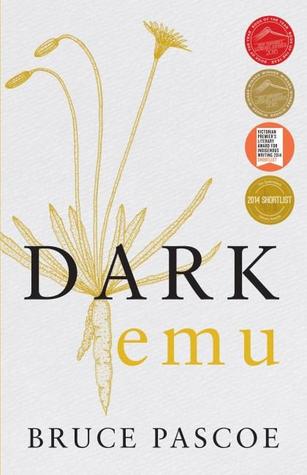
For Australians
Recommended to me by many, I finally managed to cross this book off my “to-read” list. An absolutely fascinating (and worldview-shaking) look at the lives of precolonial Aboriginal Australians, particularly focused on their land use and management.
This book is jam-packed with evidence sourced primarily from early Australian colonial explorers, alongside frank and open language making it a particularly compelling and engaging read. Highly recommend to all.
Happy reading!
Enjoy Reading This Article?
Here are some more articles you might like to read next:
- Research Summaries
- The power of names
- Where do we want this story to go?
- How to talk about COVID-19 for conservation professionals
- A Selection of Pages from 2019
- A waterless barrier could halt cane toad spread in Western Australia
- Chasing Mr Toad
- Messaging (and strategy) matters: a new systematic review
- Seeds in the Sand
- First paper: Australian threatened species are "tweeting for their lives"